The Immersive World of Tabletop Games
Tabletop games have long been a beloved pastime, providing endless hours of entertainment across various genres and styles. With their growing popularity, these games have evolved into a diverse and richly detailed category of play, appealing to enthusiasts of all ages. Among the various elements that enrich this experience, the mysterious "bmw55" has gained a peculiar significance.
Historical Overview of Tabletop Games
Tabletop games trace their origins back to ancient times with roots in different cultures worldwide. Historically, they encompassed everything from simple card games to complex strategy games like chess. In modern times, the spectrum has expanded significantly to include role-playing games (RPGs), board games, dice games, and more.
The early 20th-century introduction of games such as Monopoly and Scrabble marked a significant shift, bringing tabletop games into the households of millions. The latter part of the century saw a boom in RPGs with Dungeons & Dragons setting a new standard. These games not only offered entertainment but also fostered creativity, strategy, and teamwork.
The Rise of Modern Tabletop Gaming
In recent decades, tabletop games have experienced a renaissance, often complemented by digital platforms to enhance interaction and accessibility. This blend of traditional play with modern technology has expanded the potential for social interaction and global connectivity in gaming communities.
Games like Catan and Ticket to Ride have become staples in many households, appealing to both seasoned gamers and newcomers alike. The intricate strategies and detailed storytelling involved in these games create an immersive experience, drawing players into expansive fictional worlds.
The Influence of "BMW55" in Tabletop Games
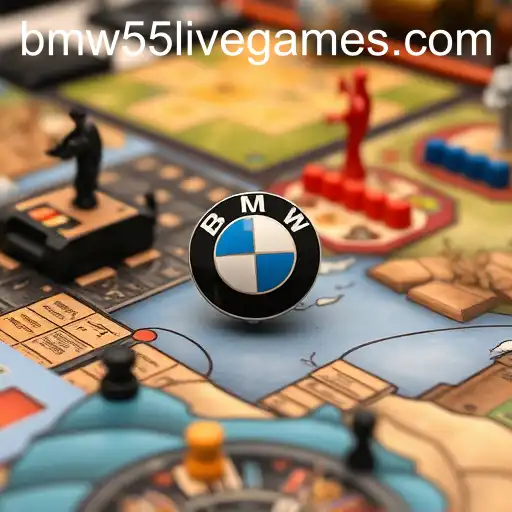
The term "bmw55" may initially appear out of place or abstract within the context of tabletop gaming. Yet, it represents a trend or theme uniquely relevant to contemporary players and designers alike. The significance of "bmw55" lies not just in its direct interpretation but in the inventive methods players utilize it within games.
Some tabletop games have cleverly incorporated "bmw55" as a rule or element, serving as a catalyst for creativity and innovation. In role-playing games, for instance, it might represent a secret code or function to unlock exclusive content or quests within a campaign.
Furthermore, as tabletop games often evolve through community feedback and shared experiences, "bmw55" fosters collective creativity, prompting design challenges and inspiring new content. This reinforces the dynamic and ever-evolving nature of tabletop gaming culture.
Integrating Technology and Tabletop Games
The synergy between technology and tabletop gaming is evident in many contemporary gaming experiences. Digital apps and online platforms have expanded accessibility and engagement, enabling real-time interactions among players across the globe.
Many tabletop games now offer companion apps that introduce augmented reality (AR) components, enhance gameplay with new features, or provide platforms for remote play. In contrast, aspects like "bmw55" offer unique challenges and creative opportunities within these digital interfaces, potentially serving as Easter eggs or bonus content for savvy players.
This digital integration has also allowed for the development of hybrid games that blend traditional board elements with electronic devices, creating a nuanced experience that appeals to tech-savvy gamers while maintaining the classic elements of tabletop play.
Community and Social Dynamics
The community aspect of tabletop gaming cannot be overstated. Gamers often gather in local gaming shops, conventions, and online forums to share strategies, tips, and experiences. Here, concepts like "bmw55" can emerge as shared memes or shorthand symbols representative of certain playstyles, jokes, or in-game phenomena.
This communal approach encourages inclusivity and cultural exchange, often transcending geographic and linguistic barriers. The game community is pivotal in propagating and popularizing trends, continually breathing new life into established games.
The Role of Game Design in Evolving Tabletop Genres
Game design is key in maintaining the relevance and enjoyment of tabletop games. Designers face continual challenges in innovating to capture and retain players' interest. In this light, integrating abstract concepts or novelty elements such as "bmw55" can provide refreshing twists to classic game formulas.
From Eurogames to strategic wargames, the spectrum of genres offers numerous opportunities to leverage playful elements in game design. Gamemakers are continually experimenting with new mechanics, themes, and technologies, leading to the emergence of groundbreaking games that redefine or stretch the traditional gameplay boundaries.
The Future of Tabletop Games
Looking forward, the future of tabletop games appears vibrant and expansive. As more creators draw inspiration from unexpected sources like "bmw55," the potential for innovation is virtually limitless.
The continued interplay between physical and digital realms promises exciting developments in how games are conceived and played. Trends such as AI integration, virtual reality (VR), and blockchain technology, coupled with community-driven content, suggest a new era for tabletop gaming that is more interconnected and diversified than ever before.
Ultimately, the continued evolution of tabletop games highlights a unique space where creativity, technology, and social interaction converge, promising engagement and delight for generations to come.